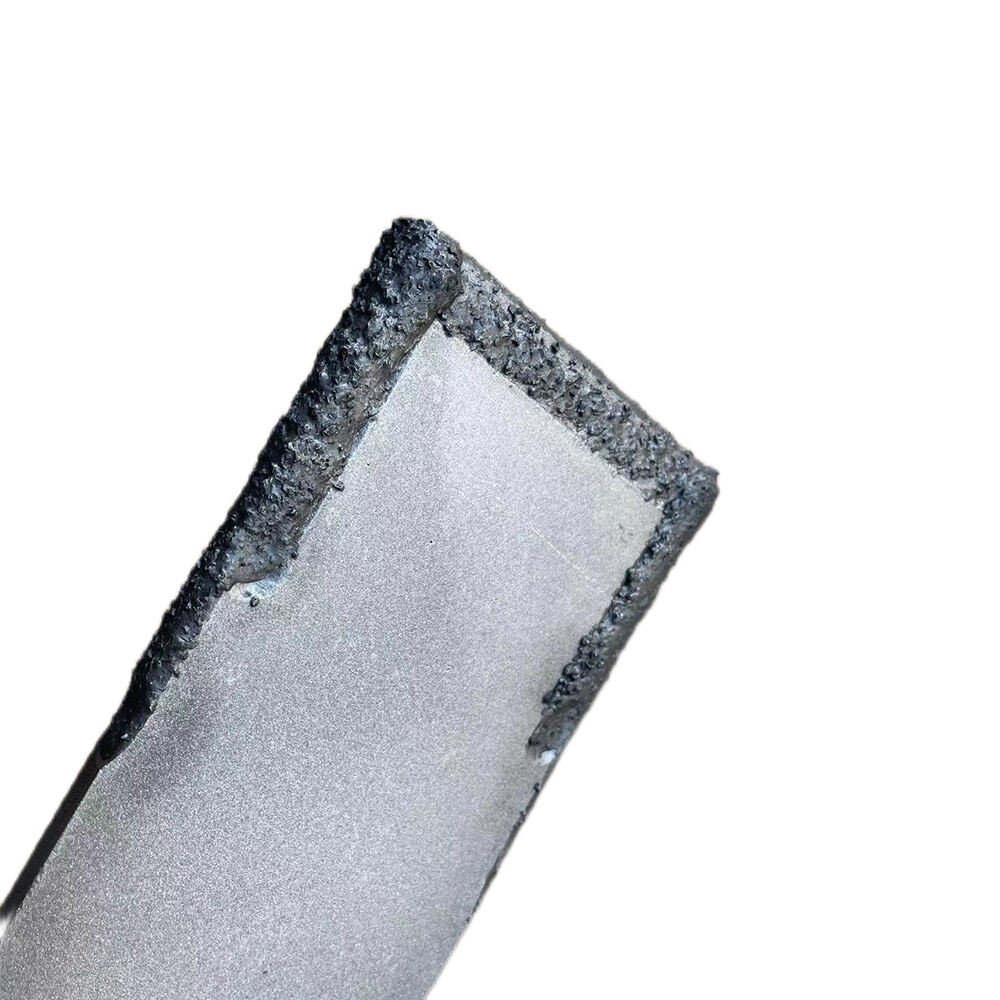
Yes, roller shell specifications are frequently misunderstood during equipment selection, leading to costly mistakes in industrial applications. Many procurement teams and engineers focus primarily on basic dimensions and material grades while overlo...
VIEW MORE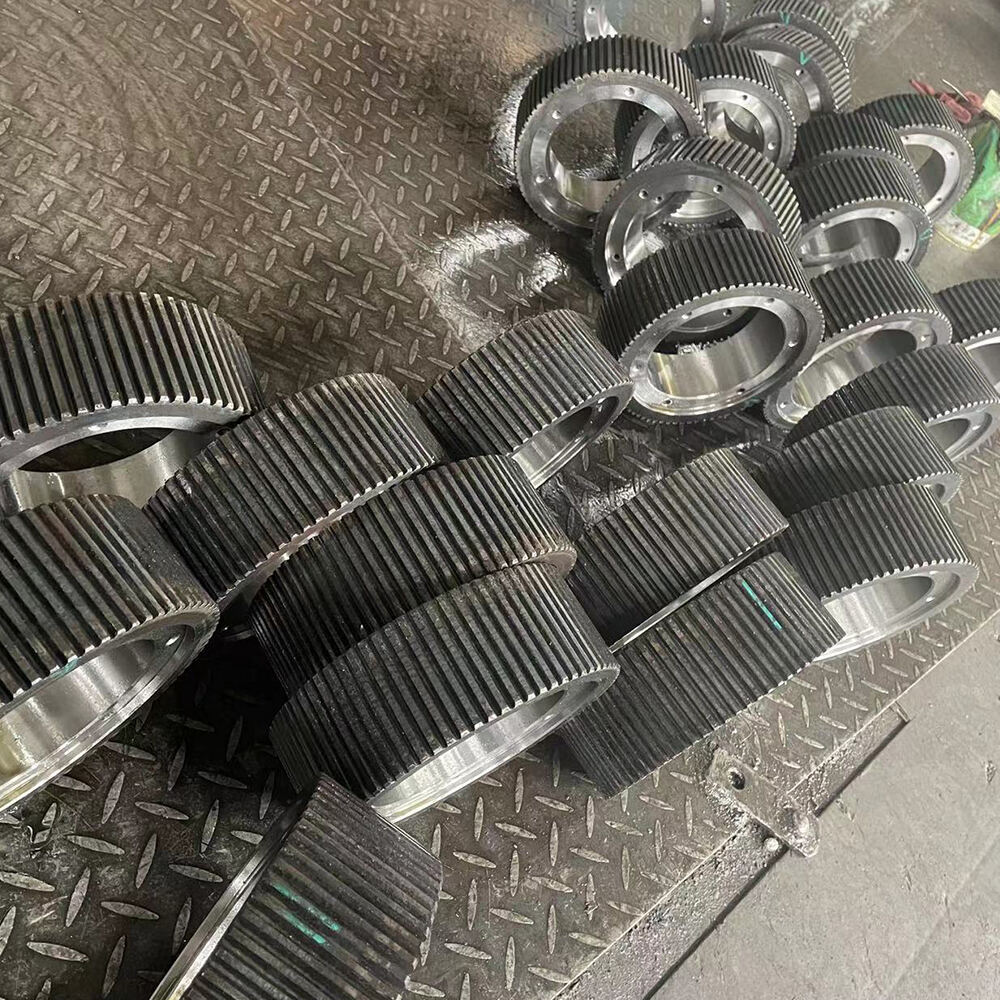
The effectiveness of material compaction processes hinges on numerous engineering factors, but none is more fundamental than roller shell surface design. This critical component directly influences particle interaction, force distribution, and the ov...
VIEW MORE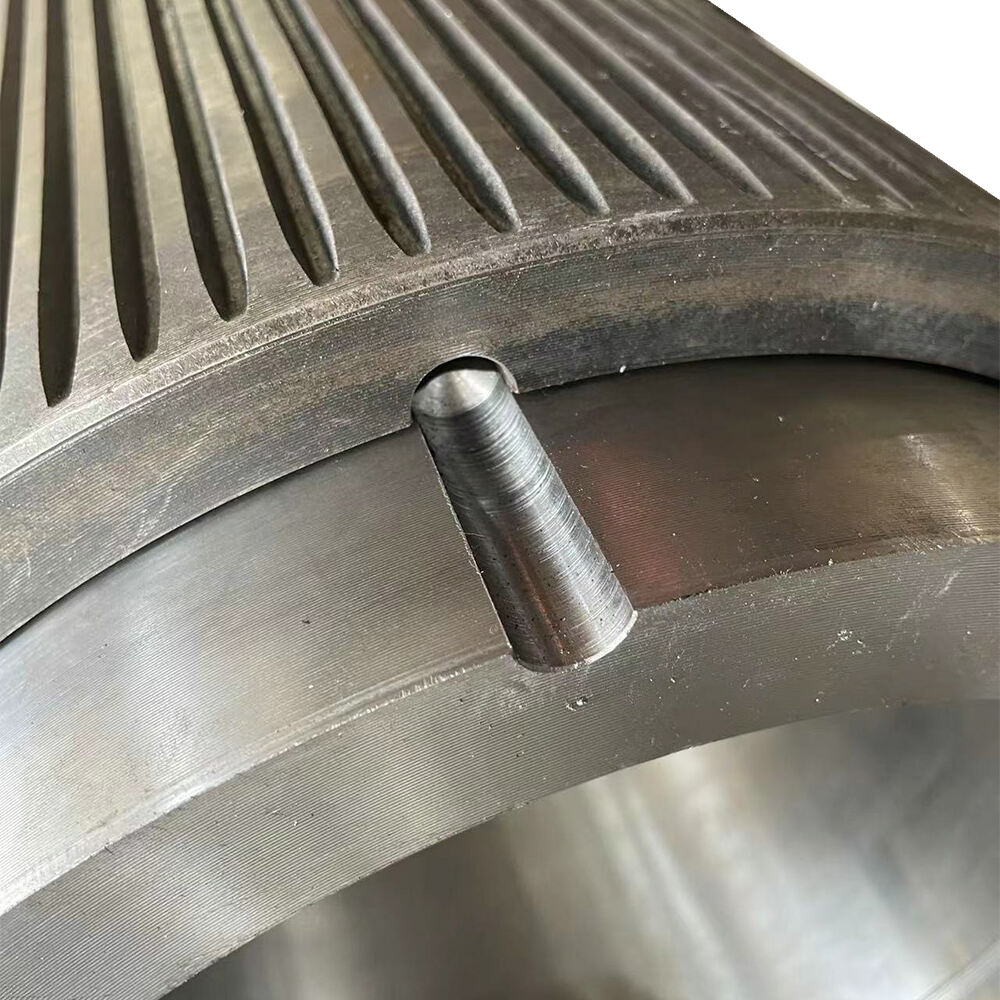
The geometric configuration of hammer mill beater shape represents one of the most critical design parameters affecting grinding performance in industrial milling operations. Understanding how different beater profiles interact with material flow, im...
VIEW MORE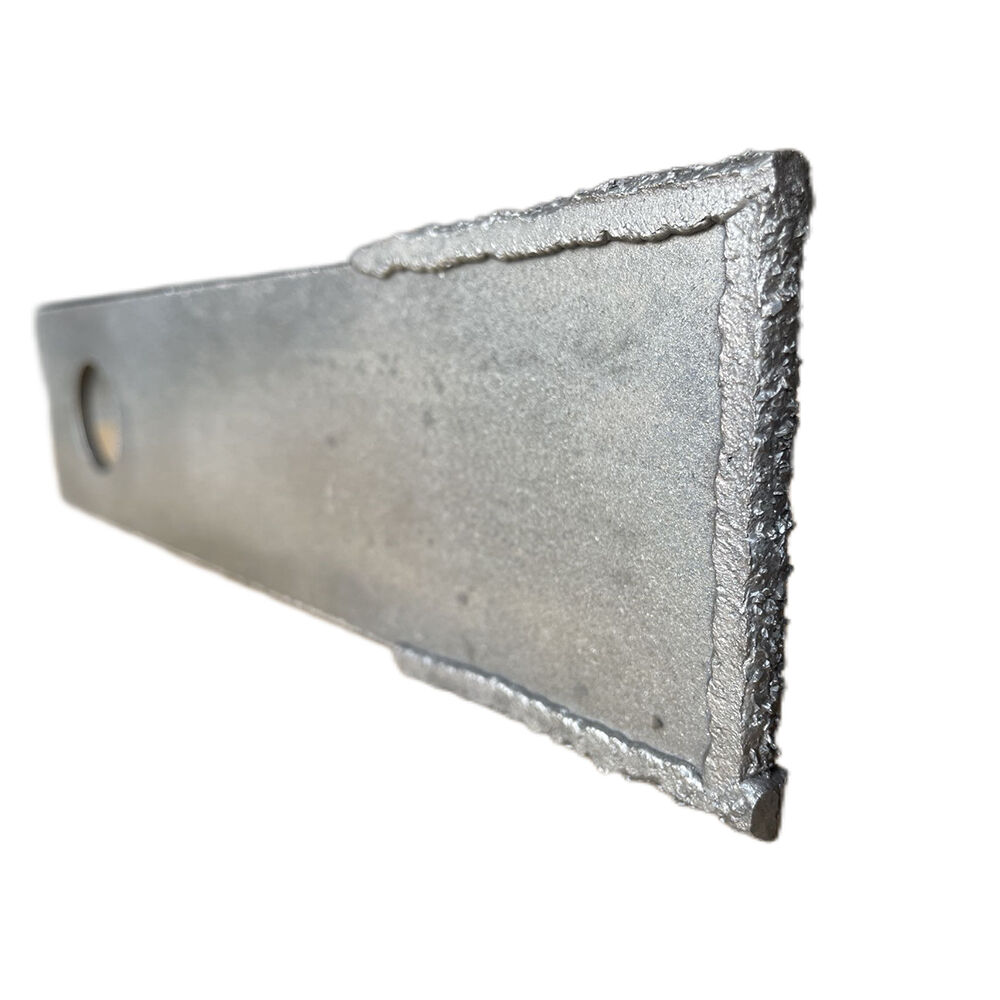
Industrial crushing and grinding operations face significant performance challenges when the wrong hammer beater components are selected for their specific applications. Poor hammer beater selection creates cascading problems throughout the entire pr...
VIEW MORE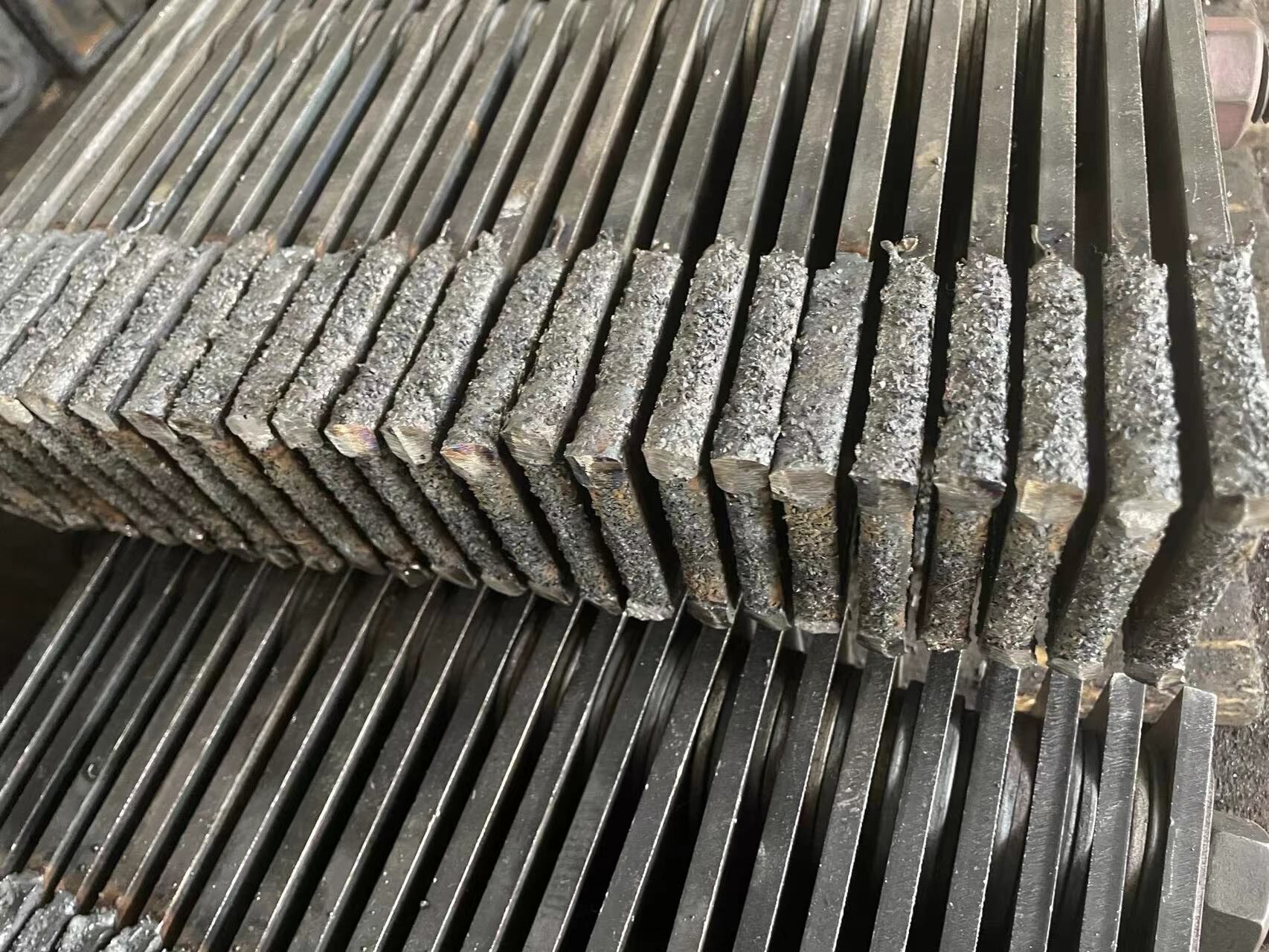
In high-load crushing operations where material throughput demands exceed standard processing capabilities, the mechanical integrity and performance characteristics of crushing equipment become critical success factors. The hammer beater design serve...
VIEW MORE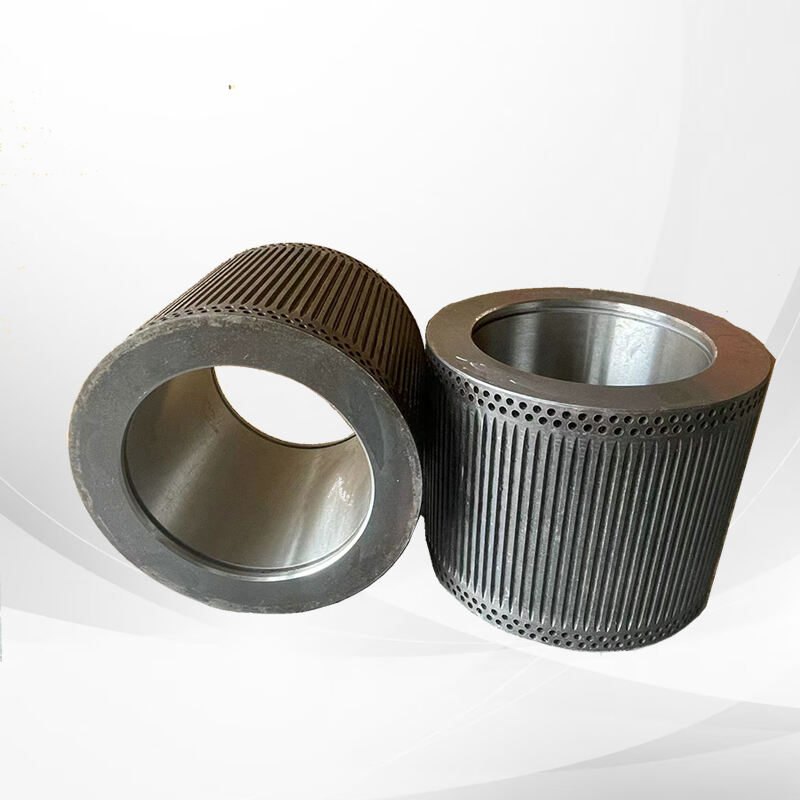
Hammer blade thickness plays a critical role in determining the energy consumption patterns of crushing and grinding equipment across industrial operations. When evaluating operational efficiency, understanding how hammer blade thickness affects ener...
VIEW MORE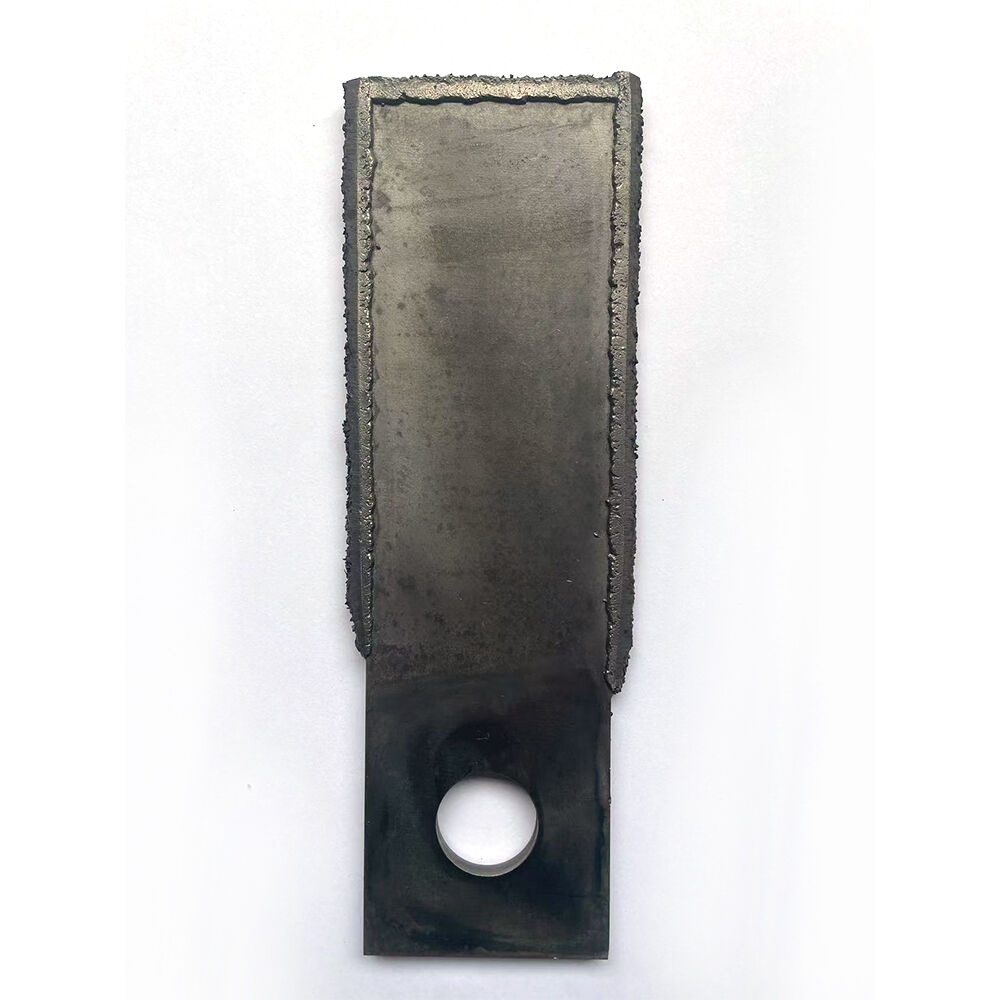
The performance of crushing systems fundamentally depends on the design characteristics of their hammer blades, which serve as the primary interface between mechanical force and material reduction. Understanding these design factors enables operators...
VIEW MORE
Hammer material selection serves as the critical foundation that determines equipment durability, performance consistency, and operational cost-effectiveness in demanding industrial environments. When hammers operate in harsh conditions characterized...
VIEW MORE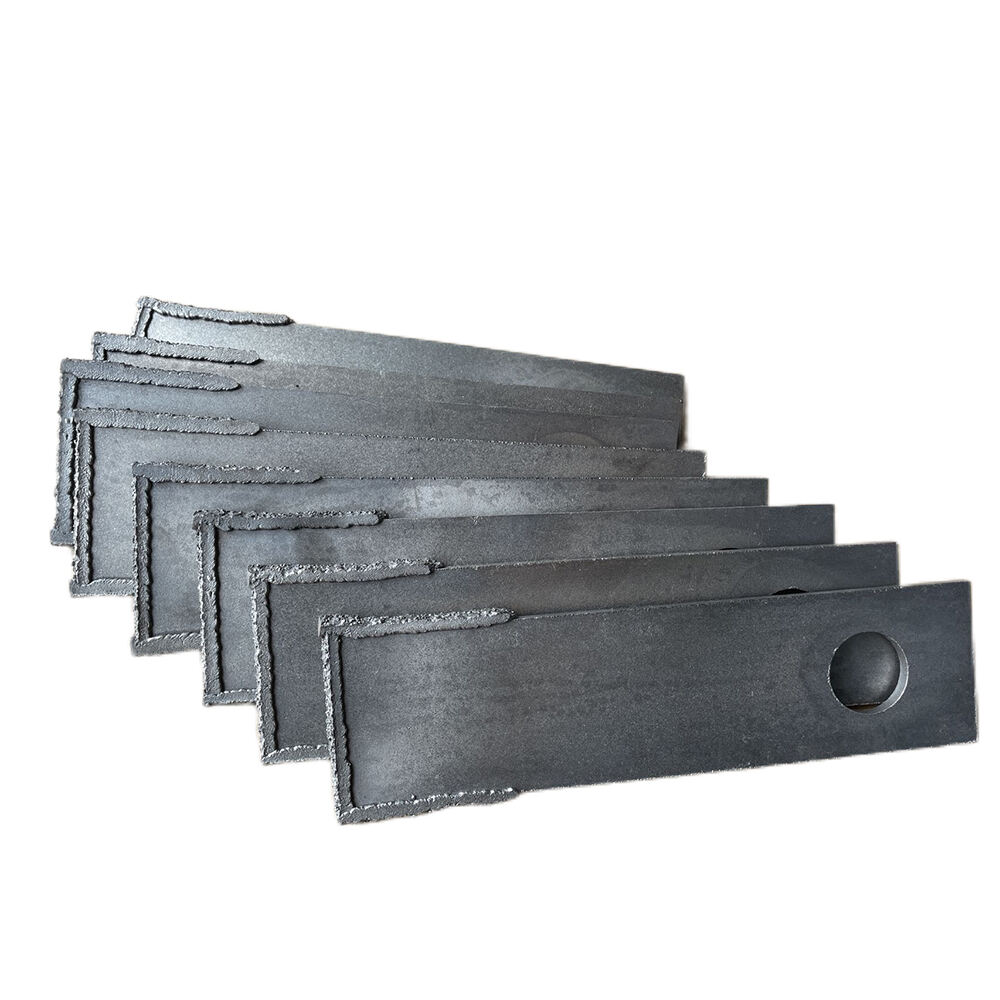
Uneven hammer wear during continuous industrial operation creates a cascade of operational problems that significantly impact productivity, equipment longevity, and maintenance costs. When hammers experience irregular wear patterns, the resulting imb...
VIEW MORE
Industrial hammers represent one of the most versatile and essential tools in material processing operations across numerous manufacturing sectors. These robust mechanical devices serve critical functions in breaking down, shaping, and transforming r...
VIEW MORE
Professional contractors and DIY enthusiasts alike understand the importance of maintaining their tools in peak condition. Among all hand tools, hammers represent one of the most fundamental and frequently used instruments in construction, carpentry,...
VIEW MORE
Hammers represent one of humanity's oldest and most fundamental tools, serving countless applications across construction, manufacturing, craftsmanship, and household tasks. From the ancient stone hammers used by early civilizations to today's precis...
VIEW MORE EN
EN